


Flyer design by @Rebecca
Solar Water Heating Design
Solar thermal systems produce heat using sunlight, as opposed to solar photovoltaic, the more well known solar power source that produces electricity. In water heating applications, heat is transferred to water supply pipes, typically preheating water before it enters the main water heater. This preheating decreases the energy needed from traditional heating systems, saving money.
Project name: Solar Water Heating
Project type: Product design
Duration: Nov 2023 - Dec 2023 (5 weeks)
Team: Rebecca Wong (Designer), Alex Karbuiev (Engineer), Dianna Calles (Research),
Wen Kai Yiang (Engineer), Zoha Shams (Engineer)
Problem
For many people, high electricity bills are a serious problem. This is not helped by the high cost of solar water heating, representing a significant financial burden. Most solar water heating systems on the market are expensive, leading to a long return on investment that can make it difficult to justify for someone who’s already struggling financially. We decided to combat this by designing a way to heat water affordably, in order to lower monthly electricity costs.
Design Draft
-
Car Radiators
-
Used as the primary heat absorption
-
-
Metal Enclosure
-
For system durability
-
-
Heat-Absorbing Paint:
-
For optimal heat absorption
-
-
Polycarbonate Lid:
-
To allow sunlight in while maintaining heat
-
-
Expanded Polystyrene
-
To insulate the system and retain heat
-
-
Radiator Piping
-
Standard pipes for coolant circulation
-
-
Peltier Units
-
To generate electricity for powering the pump
-
-
Water Heater
-
To store and heat water
-
-
System Control Panel
-
For monitoring and controlling the system
-

Draft by @Alex
PROTOTYPE 1.0
We considered using radiators for their abundance on the secondhand market, and their ability to be used with common radiator fluid. However, we later determined that the modifications necessary to ensure effective heating of the radiator via sunlight would not justify such advantages. We therefore discarded the idea.

Diagram by @Rebecca
Modify design
-
Coolant: Switched to propylene glycol for its safety and high boiling point.
-
Coolant Channels: Replaced copper pipes with molded polyurethane resin for cost-effectiveness and adequate temperature resistance.
-
Top Surface: Cast transparent resin was chosen over polycarbonate for its durability and cost-efficiency.
-
Piping Material: Opted for chlorinated PVC (CPVC) instead of regular PVC for its ability to withstand high temperatures, along with additional insulation.
-
Excluded Peltier Units: We decided against using Peltier units to avoid heat loss and added complexity.
These changes focus on optimizing safety, efficiency, and cost-effectiveness in the solar collector design.
PROTOTYPE 2.0
2.0 Solar collector design features propylene glycol as a safe, efficient coolant, and uses molded polyurethane resin for cost-effective, heat-resistant coolant channels. The top surface is made of durable, cost-efficient cast transparent resin, suitable for various weather conditions. For external piping, chlorinated PVC (CPVC) is chosen for its high-temperature resistance, supplemented with extra insulation to reduce heat loss.

Diagram by @Rebecca

House prototype by @Zoha
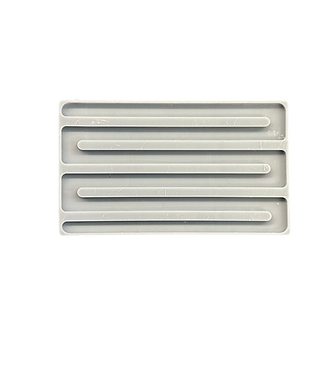
3D model of Heat Collector

Prototype by @Alex K
Reflection
This project is in progress...